
How to Boost Your Home’s Curb Appeal With Creative Walkway Design
Enhancing your home's curb appeal goes beyond painting shutters or planting a few flowers. A thoughtfully designed walkway can create a welcoming entrance, guide visitors naturally through your yard, and showcase your local landscaping. Walkways serve as both functional and aesthetic features, providing structure while reflecting your personal style. By investing in creative walkway designs, homeowners can transform their outdoor space into a memorable first impression that resonates with guests and potential buyers alike.
Choosing the Right Material for Your Walkway
Selecting the right material is one of the most important decisions in walkway design. The material you choose affects durability, maintenance, safety, and the overall visual appeal of your local landscaping. Common materials include natural stone, brick, concrete pavers, gravel, and even wood. Each has unique advantages and challenges.
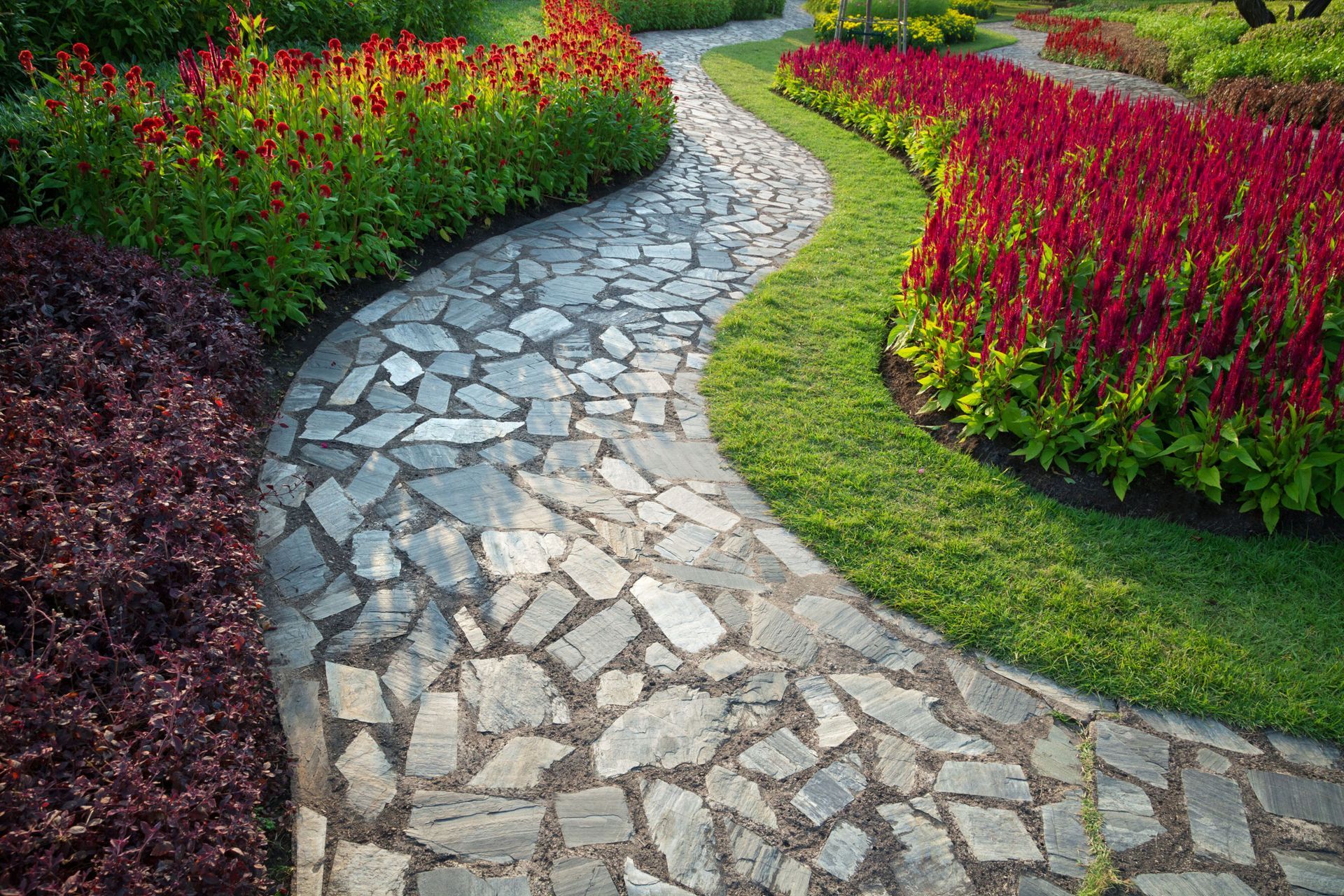
Natural stone walkways offer an elegant and timeless appearance, blending effortlessly with surrounding plants and greenery. Materials like flagstone or slate can complement the textures found in local landscaping, providing a natural feel while withstanding heavy foot traffic. Brick is a classic choice that delivers a polished, structured look. Its uniform size and clean lines make it easy to incorporate into symmetrical designs or geometric patterns.
Concrete pavers provide versatility and affordability. They come in various shapes, colors, and sizes, allowing homeowners to create intricate patterns or mimic the appearance of stone and brick. Gravel paths are ideal for casual or rustic landscapes and offer excellent drainage. For wooden walkways, treated timber or composite decking adds warmth to gardens or wooded areas, although these require more maintenance to prevent weathering and decay.
When choosing materials, consider how well they integrate with your local landscaping. Materials that complement existing plantings, hardscaping elements, or architectural styles create a cohesive and visually appealing yard. Durability in your regional climate is also essential, ensuring the walkway remains functional and attractive for years to come.
Designing Walkways That Complement Your Home
Walkway design is where creativity truly shines. From minimalist modern to rustic charm, the possibilities are nearly endless. One popular approach is the curving walkway, which gently guides visitors through your garden or yard while creating a sense of journey. Curves can soften a landscape dominated by angular architecture and add flow to your local landscaping.
For a more structured look, consider a geometric walkway using pavers or bricks arranged in repeating patterns. This style emphasizes order and precision, offering a contemporary feel that aligns well with modern home designs. Mixed-material walkways are another trend gaining traction. Combining stone, gravel, or wood in complementary ways can add texture and visual interest, creating a striking feature within your local landscaping.
Edging walkways with planting beds can further enhance the appeal. Low-growing perennials or decorative grasses create harmony between the path and surrounding greenery. Seasonal plantings also maintain color and vibrancy throughout the year. According to Home Guide, installing a paver patio or walkway enhances curb appeal and delivers a 69% return on investment. This emphasizes that walkway design is both a visual enhancement and a smart financial decision.
Incorporating Lighting Into Your Walkway
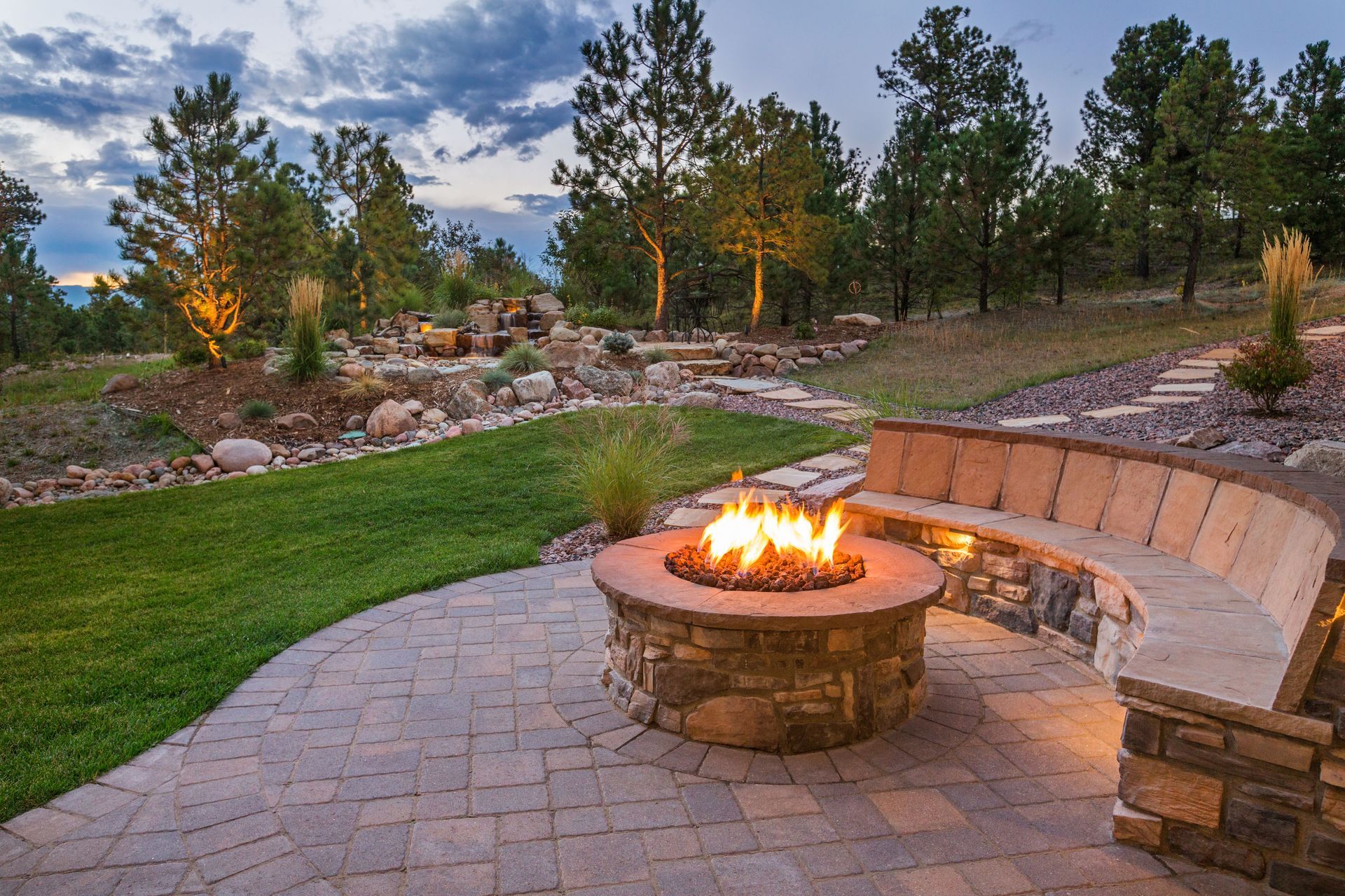
Lighting is a key component of a walkway that is often overlooked. Well-placed lights increase safety by illuminating the path at night, but they also highlight the beauty of your local landscaping and create ambiance. Solar lights are a popular, energy-efficient option. They are easy to install, require minimal maintenance, and can be placed strategically along curves, steps, or borders.
Embedded LED lights offer a modern alternative, seamlessly integrated into stone or concrete pavers. These lights can accentuate edges, patterns, or changes in elevation, producing a professional and polished look. Low-voltage landscape lighting, powered by a transformer, allows for more intricate designs, highlighting plants, statues, or water features adjacent to your walkway.
Lighting should complement your
local landscaping. Positioning lights to illuminate both the walkway and surrounding greenery creates a harmonious nighttime view that enhances curb appeal and ensures your yard feels safe and welcoming.
Maintaining Your Walkway for Longevity
Even the most beautiful walkway requires ongoing maintenance to retain its charm and durability. The type of material you choose determines the specific care it needs. For natural stone and brick, periodic cleaning with a gentle pressure wash or scrubbing with mild soap can prevent moss and dirt buildup. Sealing stone and pavers helps protect against staining and weather damage, extending their lifespan.
Concrete walkways benefit from occasional sealing and crack repair. Gravel paths need periodic raking to maintain a smooth surface and prevent erosion, while wooden walkways require staining or sealing to resist moisture and insect damage. Seasonal factors, including heavy rain, snow, or sun exposure, can impact materials differently. Homeowners should consider their local climate when planning routine upkeep.
Weeding between pavers or stones is essential to prevent overgrowth that can damage the walkway or diminish its appearance. Installing borders between walkways and plant beds helps contain growth and makes maintenance easier. By following these care practices, you can keep your walkway looking attractive and lasting for years. Many local landscaping companies also offer professional maintenance services to help preserve the beauty and integrity of your outdoor spaces.
Enhancing Property Value With Walkway Design
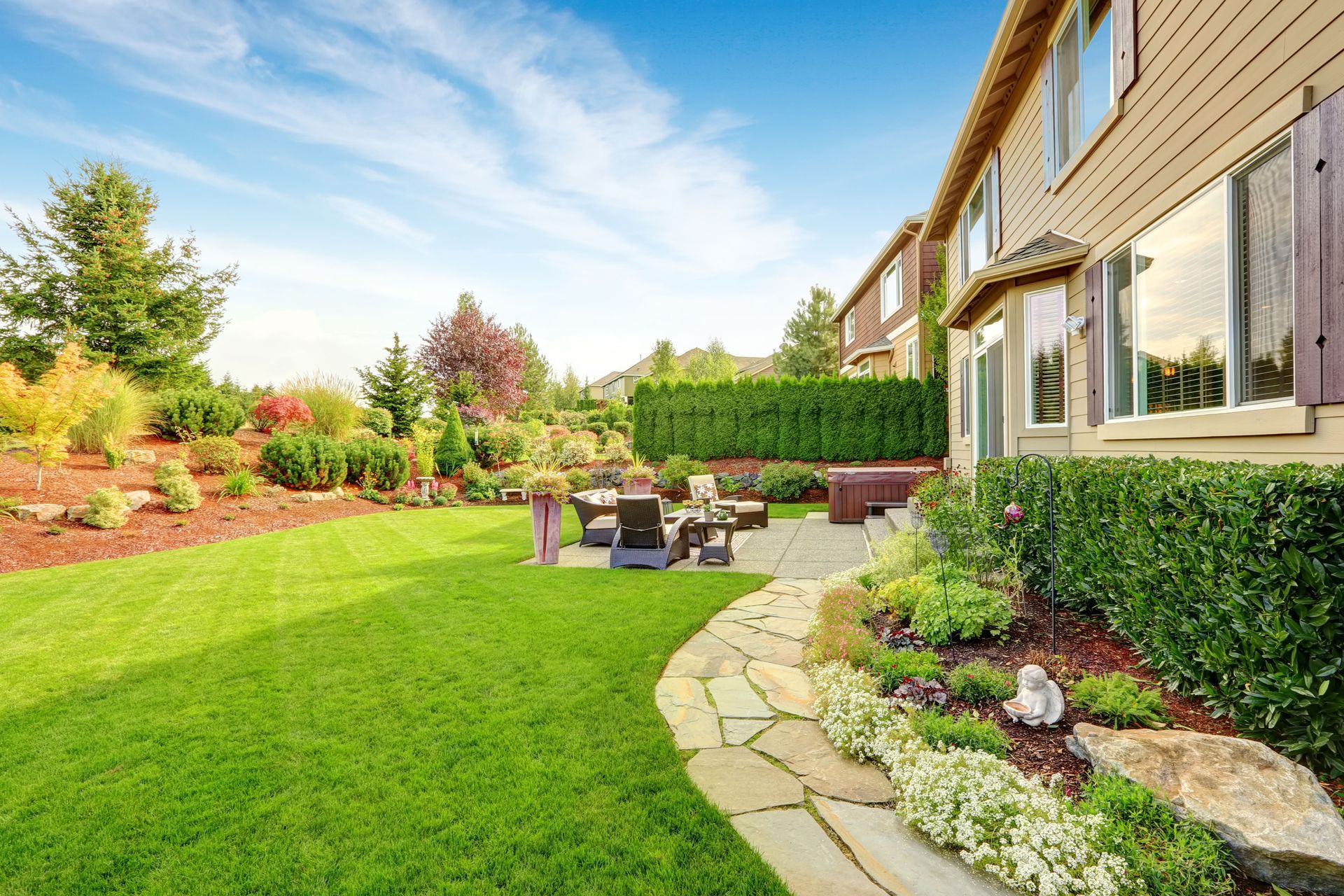
A thoughtfully designed walkway can significantly enhance your property’s perceived and actual value. Buyers often notice the exterior of a home first, and a well-maintained, visually appealing walkway creates a positive impression that can influence purchase decisions. Walkways that integrate seamlessly with local landscaping elevate the entire outdoor space, adding both beauty and functionality.
Walkways also improve accessibility and flow, connecting driveways, patios, or outdoor living areas. This functionality appeals to potential buyers who envision an organized, cohesive property. By combining durability, design, and thoughtful integration with surrounding landscaping, homeowners can create a feature that enhances both lifestyle and marketability.
Even for those not planning to sell, investing in a walkway offers immediate enjoyment. A visually striking path enhances daily outdoor experiences while complementing your local landscaping, making your property feel polished and intentional.
Integrating Walkways With Local Landscaping
Your local landscaping plays a crucial role in enhancing the visual impact of your walkway. Plants, shrubs, trees, and garden beds can frame the path, creating natural borders that guide visitors while adding depth and texture. Low-maintenance native plants often work best, as they thrive in your region and require less upkeep.
Edging materials like bricks, stones, or timber can define the walkway while keeping soil and mulch contained. Flowering plants or ornamental grasses along the edges soften hard surfaces, creating a balance between built elements and natural beauty. Even small details, such as mulched borders or decorative rocks, strengthen the connection between your walkway and local landscaping, making the design feel intentional and cohesive.
Local landscaping professionals can provide guidance on the best plants, materials, and layouts for your property. Their expertise ensures the walkway complements the yard rather than feeling like an isolated feature.
Adapting Walkways to Your Home Style
Walkways can be customized to suit any architectural style. For contemporary homes, clean lines, neutral colors, and geometric patterns pair well with modern local landscaping. For traditional homes, curved pathways with natural stone or brick complement classic gardens and flowering beds. Rustic or cottage-style homes benefit from mixed materials and informal layouts that blend naturally with existing plantings and landscaping features.
Even small properties can benefit from a thoughtfully designed walkway. Narrow paths with stepping stones, gravel, or decorative pavers create a sense of movement without overwhelming the space. Large properties may incorporate multiple connected walkways leading through gardens, patios, and outdoor entertainment areas, enhancing both aesthetic and functional appeal.
A creative walkway is more than just a path; it’s an opportunity to elevate your home’s curb appeal, integrate with local landscaping, and enhance property value. By selecting the right materials, designing complementary paths, incorporating lighting, and maintaining your walkway, homeowners can create a signature feature that impresses guests and potential buyers alike. Thoughtful planning and integration with local landscaping ensure your walkway remains both functional and visually stunning for years to come. If you want to add utility and beauty to your property with professional landscaping services, reach out to the team at Fischer Landscape today!
Share On: