
What You Need to Know Before Building a Retaining Wall
Building a retaining wall is one of the most effective ways to manage sloped land, prevent soil erosion, and improve usable outdoor space. Many property owners consider this type of structure when they want both functional support and visual enhancement in their landscape design. Proper planning is essential because even small mistakes during construction can lead to long-term stability issues. Soil type, drainage patterns, and structural load all play a role in how well the finished wall performs over time. Homeowners are often surprised by how much engineering goes into what may seem like a simple landscape feature. According to Forbes, adding this type of structure can raise property value by approximately 10% to 15% when properly designed and installed. Understanding the planning process before construction begins helps ensure better results and fewer complications in the future.
Evaluating Soil Conditions and Site Stability
Soil conditions are one of the most important factors to evaluate before any construction begins on a sloped property. Different soil types react differently to pressure, moisture, and seasonal changes, which can significantly impact wall performance. Clay-heavy soil, for example, retains water and expands, while sandy soil drains quickly but may not provide strong support. A proper assessment ensures the structure will remain stable under varying environmental conditions throughout the year. Drainage patterns also need to be studied to prevent water from accumulating behind the structure and increasing pressure. Without careful evaluation, even a well-built wall may eventually fail due to shifting ground conditions. Professional insight is often needed to determine whether additional reinforcement or grading adjustments are required.
Planning Proper Drainage Systems Carefully
Drainage is one of the most critical components of any successful retaining structure. Water buildup behind the wall can create excessive pressure that weakens structural integrity over time. Proper drainage systems help redirect water away from the structure, reducing stress and preventing long-term damage. Gravel backfill, drainage pipes, and weep holes are commonly used solutions that support water movement through the soil. Without these systems in place, hydrostatic pressure can cause bulging, cracking, or complete structural failure. A well-designed drainage plan also helps extend the lifespan of the installation while reducing maintenance needs. Careful planning at the beginning stage helps avoid costly repairs in the future.
Selecting Suitable Materials for Durability
Material selection plays a major role in both the appearance and strength of the finished structure. Common options include concrete blocks, natural stone, timber, and modular retaining systems, each offering different advantages. Durability, cost, and aesthetic appeal should all be considered when choosing materials for the project. A skilled retaining wall contractor can help determine which materials are best suited for the specific landscape conditions. Some materials perform better in wet environments, while others are better suited for dry, stable soil conditions. The choice of material also influences how well the structure resists pressure and weather exposure over time. Proper selection ensures a balance between functionality and long-term visual appeal.
Understanding Height Limits and Engineering Requirements
Height is a key factor that directly impacts the design and safety of any retaining structure. Taller walls require additional reinforcement, deeper foundations, and more advanced engineering considerations to remain stable. Local building codes may also require permits or structural approval before construction can begin. A retaining wall contractor often evaluates height restrictions and ensures that the design complies with all regulations. In many cases, walls above a certain height must include reinforcement systems such as geogrid or steel supports. Poor planning in this area can lead to structural instability and potential safety hazards. Careful attention to engineering requirements ensures the structure remains secure for many years.
Addressing Proper Slope and Load Distribution
The slope of the land behind the structure has a direct impact on how weight is distributed. Improper grading can cause uneven pressure, which may lead to shifting or leaning over time. Load distribution must be carefully managed to ensure that pressure is spread evenly across the entire structure. A retaining wall contractor evaluates slope conditions and designs the structure to handle both soil weight and external forces. This process often includes adjusting the angle of installation to improve stability and reduce strain. Additional reinforcement may also be necessary in areas where the slope is particularly steep. Proper load management helps prevent long-term structural issues and improves overall durability.
Considering Aesthetic Design and Landscape Integration
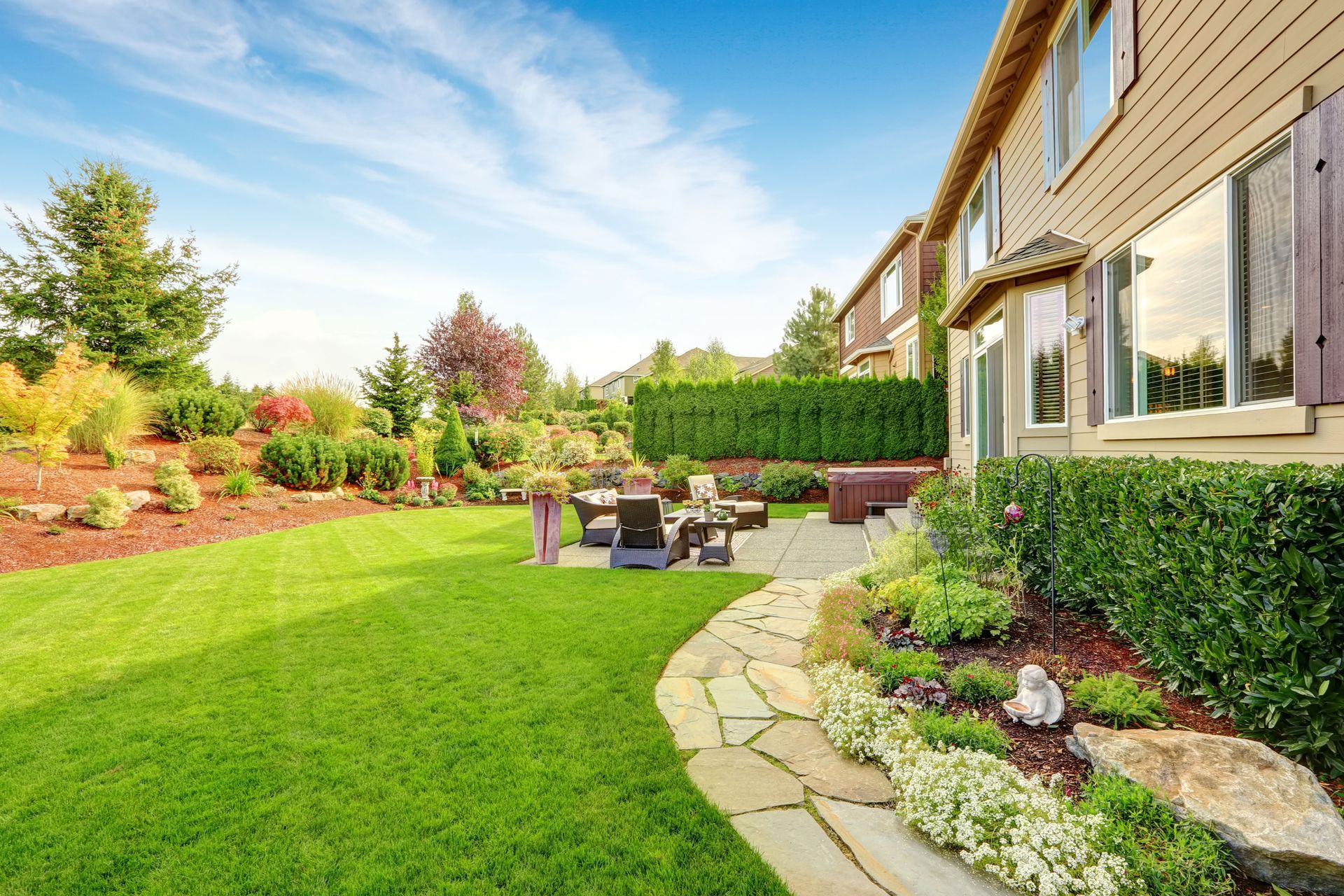
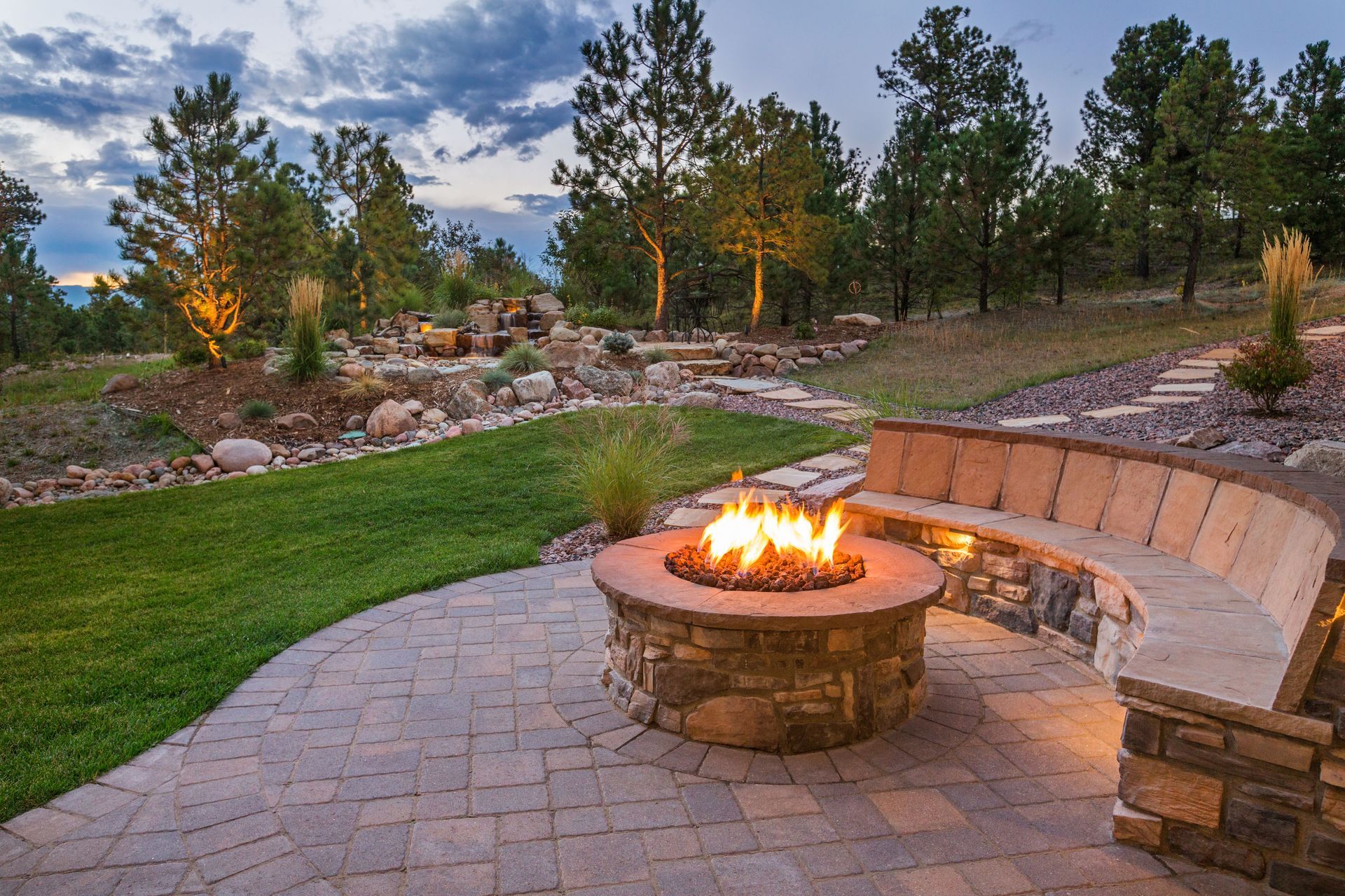
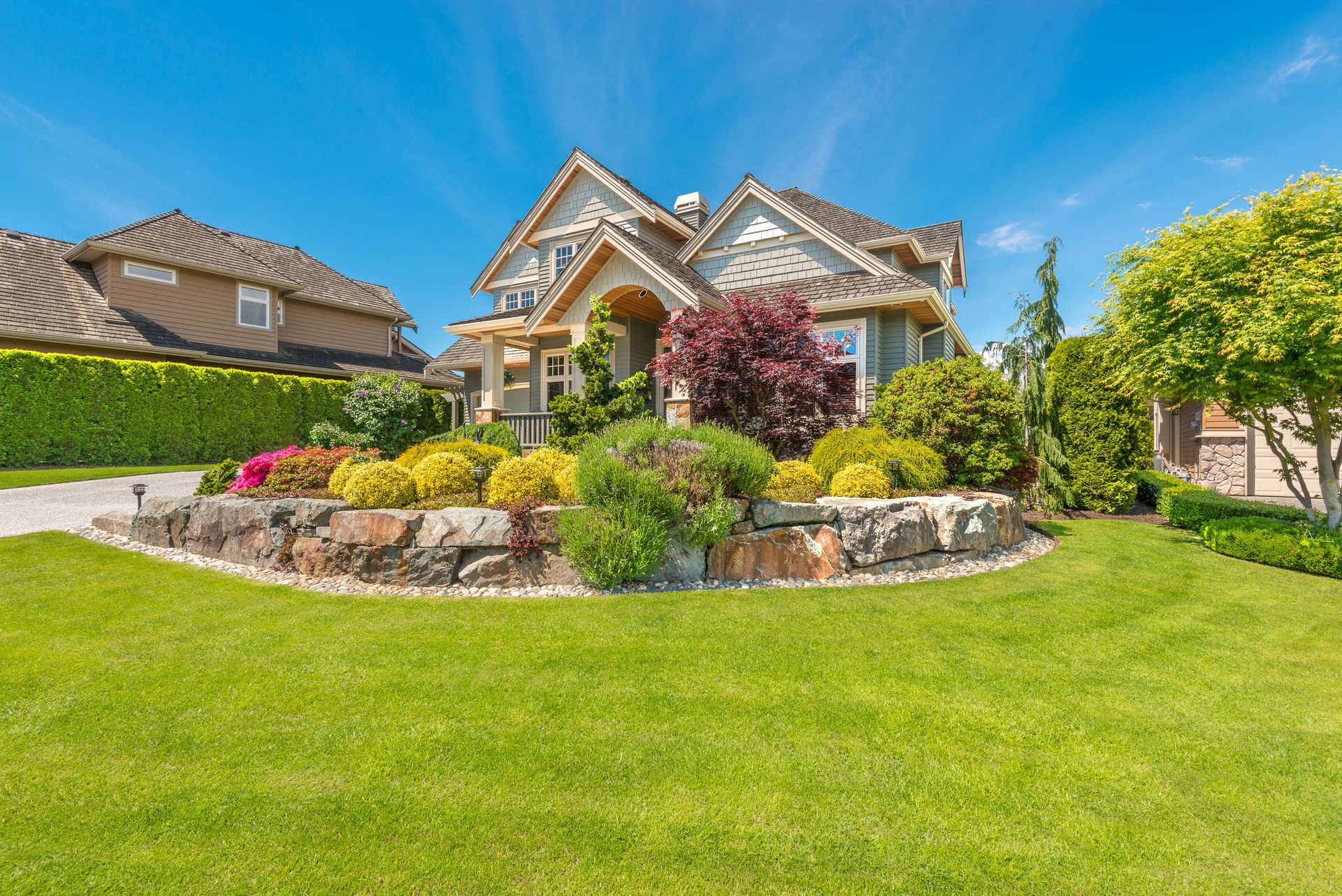
While functionality is essential, visual appeal is also an important part of the design process. A well-designed structure should blend naturally with the surrounding landscape rather than stand out as a separate feature. Homeowners often choose materials, colors, and textures that complement existing outdoor elements. A retaining wall contractor can help balance structural needs with aesthetic goals to create a cohesive design. Incorporating plants, lighting, or terraced levels can further enhance the overall appearance of the space. Thoughtful design choices can transform a purely functional structure into an attractive landscape feature. Proper integration increases both property enjoyment and curb appeal.
Managing Long-Term Maintenance Requirements
Like any outdoor structure, retaining walls require periodic inspection and maintenance to remain in good condition. Over time, natural wear, weather exposure, and soil movement can create small issues that need attention. Checking for cracks, drainage blockages, or shifting materials helps prevent minor problems from becoming major repairs. Choosing a qualified retaining wall contractor can guide maintenance schedules and necessary upkeep procedures. Keeping drainage systems clear is especially important to ensure water continues to flow properly away from the structure. Regular maintenance also helps preserve both structural integrity and visual appearance. Proactive care significantly extends the lifespan of the installation.
Accounting for Permits and Local Regulations
Before any construction begins, it is important to understand that many municipalities require permits for retaining structures depending on height, location, and design complexity. These regulations are in place to ensure safety standards are met and that the structure will not negatively impact surrounding properties. Skipping this step can lead to fines, forced removal, or costly redesigns after work has already started. A retaining wall contractor typically helps navigate these requirements and ensures all necessary approvals are obtained before construction begins. Local codes may also dictate setbacks, drainage standards, and engineering specifications that must be followed.
Ensuring Professional Installation and Compliance
Proper installation is the final and most critical step in ensuring long-term success. Even the best design and materials can fail if construction is not completed correctly. Professional installation ensures that every layer, support system, and drainage component is placed accurately. A retaining wall contractor follows engineering specifications and local building codes to ensure compliance and safety. Attention to detail during installation helps prevent future issues such as leaning, cracking, or water damage. Experienced professionals also anticipate potential challenges and adjust construction techniques accordingly. Choosing qualified installation services helps protect both the investment and the surrounding property.
Building a strong and reliable structure requires careful planning, proper materials, and attention to engineering detail from start to finish. Each stage of the process plays a role in ensuring long-term stability, safety, and visual appeal. Homeowners who invest time in understanding these factors are more likely to achieve successful and lasting results. Fischer Landscape provides professional solutions designed to enhance outdoor spaces while ensuring structural integrity and quality craftsmanship. Our team works closely with clients to design and build durable systems that meet both functional and aesthetic goals. Contact us today to work with a skilled retaining wall contractor who can bring your outdoor project to life with confidence and precision.
Share On: