Retaining Walls that Do More—Protect, Preserve, and Elevate

7058482196 • July 11, 2025

Understanding Retaining Walls: Why Are They A Smart Investment for Your Property
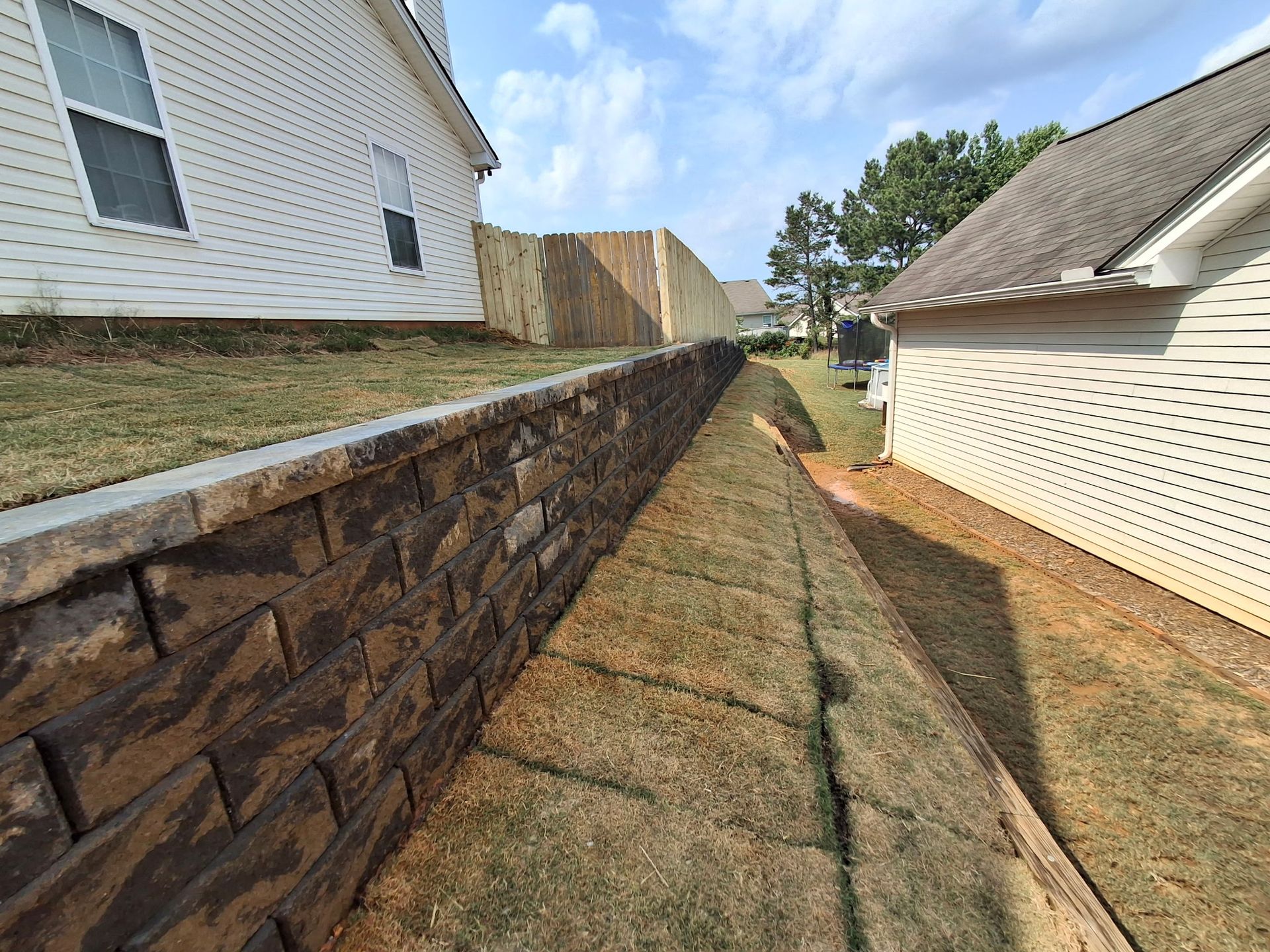
Retaining Wall Installation to prevent soil eroision

At Fischer Landscape, we prioritize durable, functional outdoor solutions that elevate your property's value and resilience. One such solution is the retaining wall—an often-underestimated feature that plays a vital role in protecting your landscape. Far from being just a decorative element, retaining walls serve critical structural and environmental functions that every homeowner should know about.


What Is a Retaining Wall?

A retaining wall is a structure designed to hold back soil and stabilize sloped terrain. Whether built from concrete blocks, natural stone, brick, or timber, these walls allow property owners to manage elevation changes while preventing erosion and runoff. They also help redirect water and add usable space to otherwise challenging terrain.


The Role of Retaining Walls in Erosion Control

One of the primary benefits of a retaining wall is its ability to mitigate soil erosion. Rainfall, especially in areas like Georgia with dramatic seasonal weather patterns, can easily wash away topsoil from sloped yards. This process not only degrades the landscape but also harms plant life and weakens structural foundations.

Retaining walls anchor soil in place, acting as a barrier against the damaging effects of stormwater. By slowing down water flow and providing structured support, they help preserve both the look and health of your yard.


Protecting Your Property from Flooding and Structural Damage

Without proper drainage and soil support, your property is vulnerable to a host of issues including:

  • Flooding around foundations
  • Basement leaks
  • Damaged driveways and patios
  • Sinkholes or collapsed land on steep slopes

Retaining walls are engineered to counteract these threats by maintaining soil integrity and managing water distribution. For properties built on hillsides or near water sources, they’re not just practical—they’re essential.


Enhancing Landscape Functionality

Beyond protection, retaining walls add versatility to your outdoor space. By creating level surfaces on sloped land, they make room for garden beds, patios, walkways, and outdoor seating areas. This turns previously unusable terrain into inviting, structured zones that improve your lifestyle and outdoor experience.


Custom Design for Every Home

At Fischer Landscape, our retaining walls are designed with both strength and aesthetics in mind. We work closely with each client to:

  • Match materials and styles to your home’s architecture
  • Address elevation and drainage needs
  • Optimize placement for long-term performance

Whether you envision a sleek modern build or a rustic stone finish, our team is here to bring it to life.


 Ready to make your property stronger, safer, and more beautiful? Contact Fischer Landscape and let’s build a retaining wall that delivers lasting value.
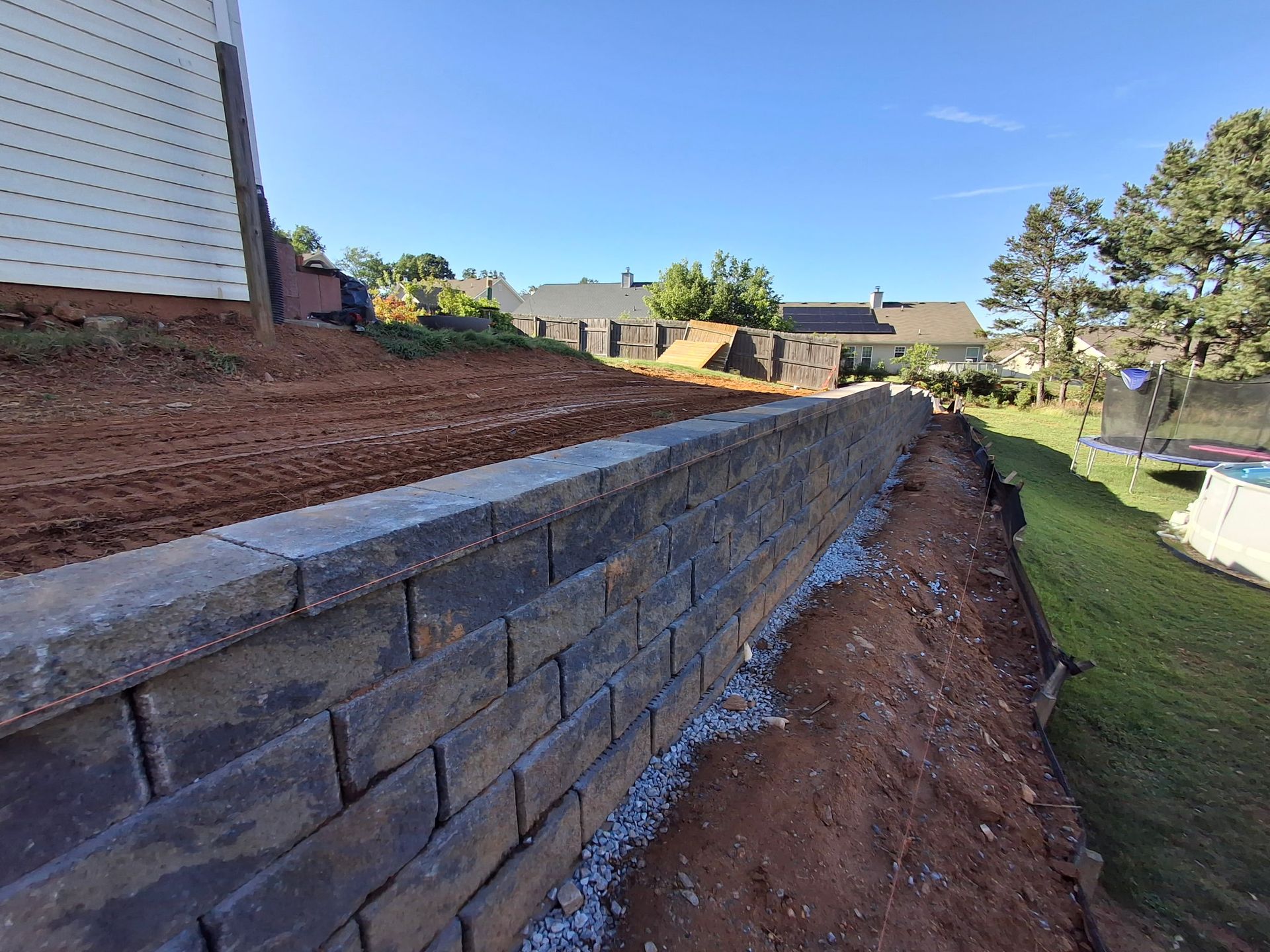
Retaining Walls that Do More—Protect, Preserve, and Elevate
By 7058482196 October 24, 2025
Backyard Drainage Solutions for Rainy Georgia Winters Winters in Georgia may not bring heavy snow, but they do bring steady rainfall and soggy yards. If your backyard holds water after a storm, you’re not alone. Georgia’s dense red clay soil drains poorly, causing water to pool near patios, driveways, and even home foundations. The good news? There are effective drainage solutions to fix these issues for good—before they lead to erosion, foundation cracks, or a muddy mess. Common Drainage Problems in Georgia Yards Standing water after rain Muddy patches and dying grass Pooling water near home foundations Erosion on sloped yards Water in crawl spaces or basements Mosquito breeding areas Best Drainage Solutions for Georgia Homes 1. French Drains A French drain uses perforated piping to redirect excess water. It’s one of the most effective ways to move water away from problem areas. Best for: Sloped yards, foundation protection' 2. Dry Creek Beds A dry creek bed is both functional and attractive. It channels water naturally and blends beautifully into landscaping. Best for: Decorative drainage, erosion control on slopes 3. Catch Basins & Channel Drains These drainage systems collect surface water and direct it underground through piping. Best for: Driveways, pool decks, patios 4. Downspout Extensions Simple but effective—downspout extensions prevent water from dumping too close to your home. Best for: Foundation moisture issues 5. Grading & Yard Re-Sloping If your yard slopes toward your home, water damage is inevitable. Regrading reshapes your landscape for proper water flow. Yard Drainage + Landscaping = Smart Design Good drainage can also improve the look of your yard. We often pair drainage fixes with: New sod or lawn repair River rock borders Mulch beds Retaining walls Paver walkways Why Drainage Matters in Georgia Because Georgia clay holds moisture, water can sit for days—creating lawn disease, mosquito problems, and damage to concrete slabs. The best time to correct drainage issues is before heavy winter and spring rain arrives. Get Professional Drainage Help in Georgia Our landscaping team designs custom drainage systems that solve water problems permanently. We’ve helped homeowners across Lawrenceville, Suwanee, Buford, Winder, Athens, Gainesville, and the Metro Atlanta area protect their homes and enjoy their yards again. Free site evaluations Affordable solutions Long-lasting results  Contact us today for a yard drainage inspection!
By 7058482196 October 24, 2025
What Should Homeowners Know About Retaining Walls? Thinking about a retaining wall? Whether you're battling erosion, managing a slope, or enhancing curb appeal, here are answers to the most popular questions we get at Fischer Landscape.  1. What is the purpose of a retaining wall? Holds back soil on sloped areas Prevents erosion and water runoff Creates flat, usable yard space Adds structure and beauty to landscaping 2. Do I need a retaining wall? If you have: A sloped or uneven yard Water pooling or erosion issues Cracked or leaning old walls Landscaping plans that need leveled ground …then yes, a retaining wall can help. 3. What materials can be used? Concrete blocks – Durable and versatile Natural stone – Elegant, timeless look Wood/timber – Budget-friendly but less durable Poured concrete – Strong for taller walls 4. How long do retaining walls last? With proper design and drainage: Block or stone walls: 30–50+ years Timber walls: 10–20 years (with maintenance) 5. Do retaining walls need drainage? Yes! Without proper drainage, walls can crack, bulge, or collapse. At Fischer Landscape, we always include gravel backfill, drain pipes, and weep holes to ensure longevity. 6. How much does a retaining wall cost? It depends on: Height and length Materials used Site access and slope Drainage needs Most residential projects range from $3,000 to $15,000+ . 7. Do I need a permit or engineering for a retaining wall? In Georgia, you may need a permit for walls over 4 feet or near structures. We handle permits, designs, and engineering as needed. 8. How long does installation take for a retaining wall? Most residential walls are built in 3 to 7 days , depending on size and weather. Ready to Get Started? Fischer Landscape builds retaining walls that are beautiful, built to last, and designed for Georgia's climate. Get a free quote today!
By 7058482196 October 3, 2025
What Should Homeowners Know About Retaining Walls? Thinking about a retaining wall? Whether you're battling erosion, managing a slope, or enhancing curb appeal, here are answers to the most popular questions we get at Fischer Landscape.  1. What is the purpose of a retaining wall? Holds back soil on sloped areas Prevents erosion and water runoff Creates flat, usable yard space Adds structure and beauty to landscaping 2. Do I need a retaining wall? If you have: A sloped or uneven yard Water pooling or erosion issues Cracked or leaning old walls Landscaping plans that need leveled ground …then yes, a retaining wall can help. 3. What materials can be used? Concrete blocks – Durable and versatile Natural stone – Elegant, timeless look Wood/timber – Budget-friendly but less durable Poured concrete – Strong for taller walls 4. How long do retaining walls last? With proper design and drainage: Block or stone walls: 30–50+ years Timber walls: 10–20 years (with maintenance) 5. Do retaining walls need drainage? Yes! Without proper drainage, walls can crack, bulge, or collapse. At Fischer Landscape, we always include gravel backfill, drain pipes, and weep holes to ensure longevity. 6. How much does a retaining wall cost? It depends on: Height and length Materials used Site access and slope Drainage needs Most residential projects range from $3,000 to $15,000+ . 7. Do I need a permit or engineering for a retaining wall? In Georgia, you may need a permit for walls over 4 feet or near structures. We handle permits, designs, and engineering as needed. 8. How long does installation take for a retaining wall? Most residential walls are built in 3 to 7 days , depending on size and weather. Ready to Get Started? Fischer Landscape builds retaining walls that are beautiful, built to last, and designed for Georgia's climate. Get a free quote today!
More Posts →